
Last Updated: November 22, 2026
Quick Summary
To choose elderly home care services, first list the specific daily tasks your parent needs help with, such as bathing, meals, medication reminders, or transportation, and use that list to compare agencies. Then decide whether you need clinical home health care or nonmedical support, and ask every provider for a written cost breakdown.
- List specific daily tasks before comparing agencies, and use that list as your filter.
- Eldercare Locator, Administration for Community Living can help you map local options.
- Home health care is clinical care ordered by a physician and delivered by licensed nurses or therapists.
- Nonmedical support covers bathing, dressing, meal preparation, housekeeping, laundry, grocery shopping, and transportation.
- Cost depends on hours per week, level of need, live-in versus hourly scheduling, and your region.
Table of Contents
- In-Home Care for Seniors: Matching Services to Daily Needs
- Home Health Care vs. Nonmedical Support: What the Difference Means
- What Shapes the Cost of Elderly Home Care
- Frequently Asked Questions
In-Home Care for Seniors: Matching Services to Daily Needs
Choosing elderly home care services starts with one question: what does your parent actually need help with each day? Families are encouraged to list specific tasks, bathing, meals, medication reminders, transportation, before comparing agencies. That list becomes your filter. Eldercare Locator, Administration for Community Living can help you map local options. For a deeper walkthrough, see our guide to hiring reliable home care for seniors, and if you are unsure whether a professional assessment is needed, read is scheduling a senior home care assessment worth it.
Home Health Care vs. Nonmedical Support: What the Difference Means
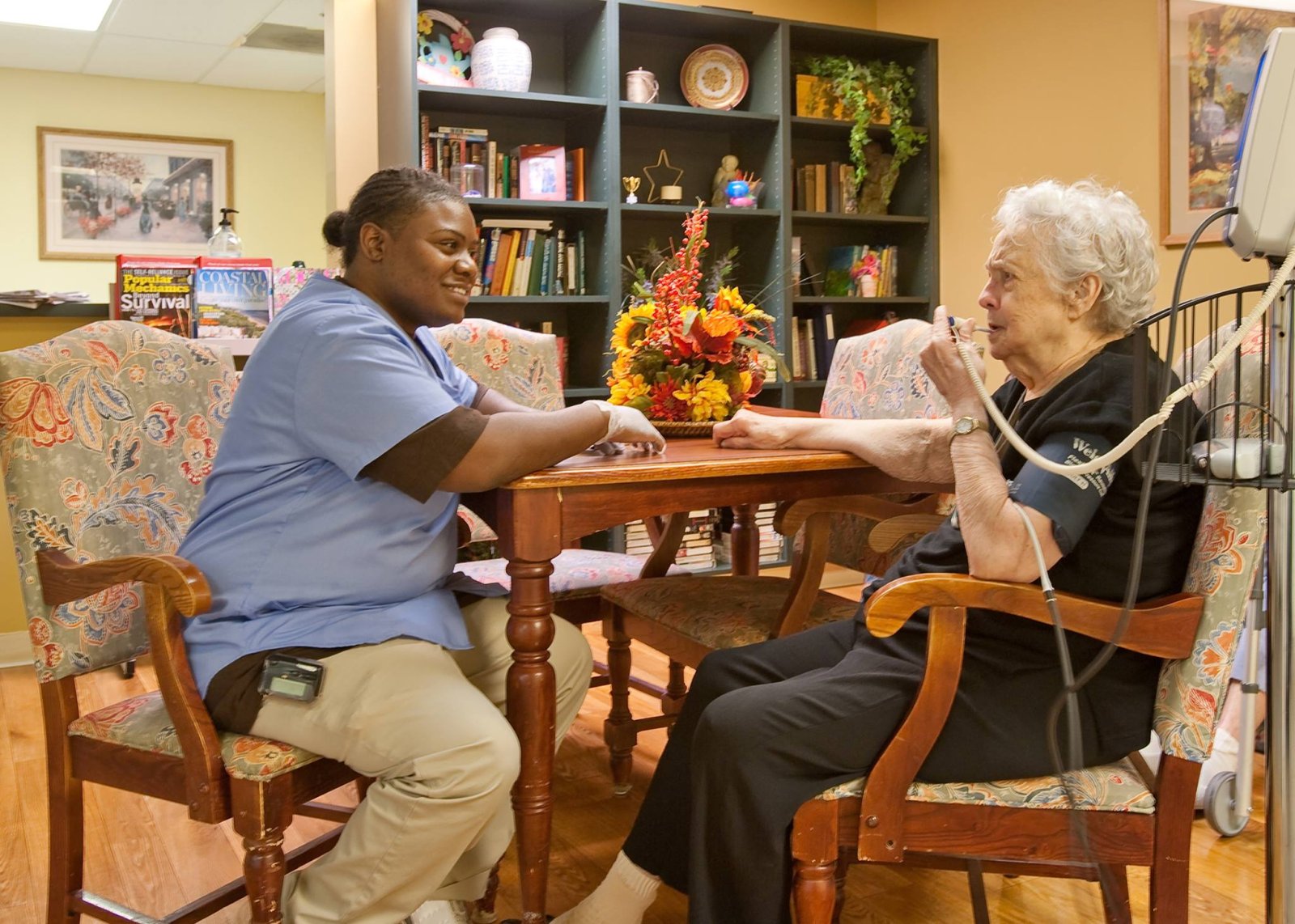
Home health care is clinical care ordered by a physician and delivered by licensed nurses or therapists. Nonmedical support covers daily living assistance: bathing, dressing, meal preparation, housekeeping, laundry, grocery shopping, and transportation. Most families need the second and assume they need the first. Medicare covers skilled nursing and therapy services under specific conditions, but not ongoing nonmedical care (Nursing Home Coverage). Medicare home health coverage explains the distinction. Once you know which type fits, review our services to see what we provide.
The two main types of elderly home care differ in who provides them and what they cover.
| Type | What it covers | Who provides it |
|---|---|---|
| Home health care | Clinical care ordered by a physician | Licensed nurses or therapists |
| Nonmedical support | Bathing, dressing, meal preparation, housekeeping, laundry | Daily living assistance |
| Nonmedical support | Grocery shopping and transportation | Daily living assistance |
| Medicare coverage | Skilled nursing and therapy under specific conditions | Not ongoing nonmedical care |
What Shapes the Cost of Elderly Home Care
The cost of elderly home care depends on hours per week, level of need, live-in versus hourly scheduling, and your region. No two quotes are alike, and pricing depends on the specifics of your parent’s care needs. Ask every provider for a written breakdown. For live-in pricing benchmarks, see how much does live-in elder care cost; for budget-friendly options, read affordable daily assistance for seniors. Government benefit programs vary by state, so confirm eligibility through your state’s Medicaid agency.
Matching care to real daily needs is the hardest part of this process, and getting it wrong costs families time and peace of mind. Fijian Homecare provides 24/7 support and live-in care, specialized dementia care, and consistent, dedicated caregivers who deliver heart-centered, family-level care across California. We build the care plan around your parent’s actual routine, not a template. Get started with Fijian Homecare and give your family a caregiving plan you can trust.
Frequently Asked Questions
Will Medicare pay for home care for seniors?
Medicare covers some home health care, such as skilled nursing and therapy services, when a doctor orders it and specific eligibility rules are met. It generally does not pay for nonmedical help like bathing, meal preparation, or companionship. Medicaid and some private insurance plans may cover additional services, and rules vary by state. Check your plan documents and the official Medicare source before assuming coverage, and ask any agency you interview to explain which services fall under which payment type.
How much does a caregiver for the elderly cost?
The cost of elderly home care depends on the hours needed, the level of care, and whether you choose hourly, overnight, or live-in support. Prices also differ by region and by agency. Because rates change, ask each provider for a written quote based on your parent’s actual schedule rather than comparing headline figures. For current pricing on 24/7 support, live-in care, and dementia care, contact Fijian Homecare through its website for a quote.
What questions should I ask a home care provider?
Ask how caregivers are screened and trained, whether the same caregiver will return consistently, and what happens if someone calls out sick. Ask how the agency handles medication reminders, dementia behaviors, and family communication. Also ask about contracts, cancellation terms, and whether you can switch caregivers if the match is not right. A strong agency answers these plainly and puts the important details in writing before you sign.
