
Last Updated: October 27, 2026
Quick Summary
Dementia care for seniors requires a compassionate, structured approach addressing medical and emotional needs, with options ranging from in-home care and adult family homes to memory care communities and skilled nursing facilities. The best choice depends on the senior’s stage of dementia, safety needs, and medical complexity, and should be revisited as the disease progresses.
- In-home dementia care allows seniors to age in place with personalized attention from consistent caregivers while remaining in familiar environments.
- Memory care communities provide secured environments with higher staffing ratios, dementia-specific staff training, and structured programming designed for moderate to late-stage dementia.
- Skilled nursing facilities offer the highest level of medical care with 24-hour licensed nursing, appropriate for late-stage dementia with complex medical needs.
- Early-stage dementia often requires only part-time in-home care and home safety modifications, while late-stage dementia typically needs 24-hour assistance with all daily activities.
- Key evaluation factors include staffing ratios and turnover, dementia-specific training hours, care-plan review frequency, and inspection records rather than amenities alone.
Table of Contents
- Understanding Dementia Care for Seniors
- In-Home Dementia Care for Seniors: Aging in Place with Support
- Memory Care for Seniors with Dementia: Specialized Residential Settings
- Dementia Care Activities for Seniors: Engagement and Quality of Life
- Dementia Care at Home Safety Tips: Creating a Secure Environment
- Choosing the Right Care Setting for Your Loved One
- Frequently Asked Questions
Understanding Dementia Care for Seniors
Dementia care for seniors requires a compassionate, structured approach addressing medical and emotional needs. Each journey with dementia is unique.
Dementia affects how seniors think, remember, and communicate. It’s not a single disease but a group of symptoms caused by brain changes;
The best dementia care for seniors depends on the person’s needs and circumstances.
In-Home Dementia Care for Seniors: Aging in Place with Support
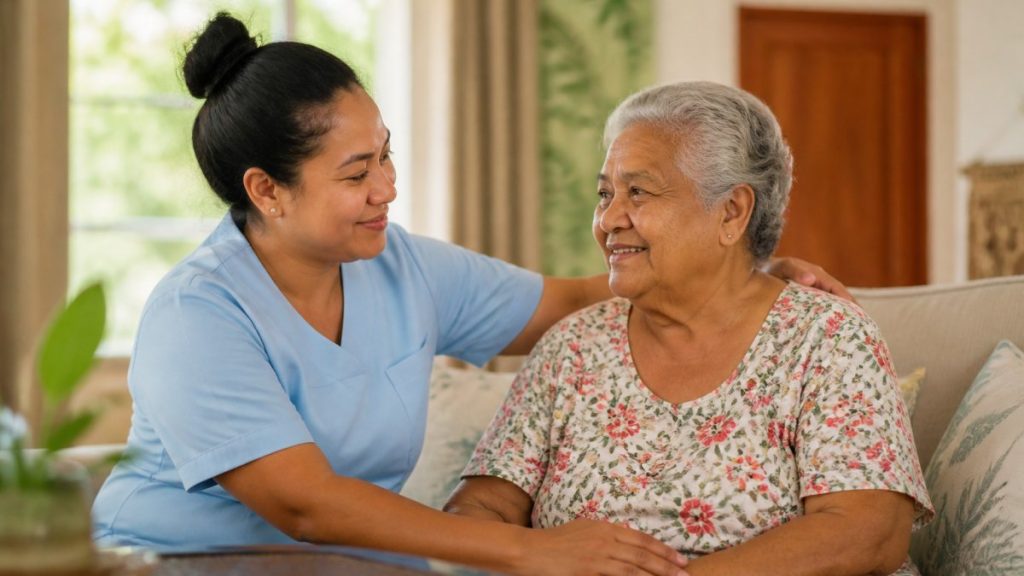
In-home dementia care can support seniors who remain at home. Expert dementia care in Sonoma County is available to help your loved one age safely at home.
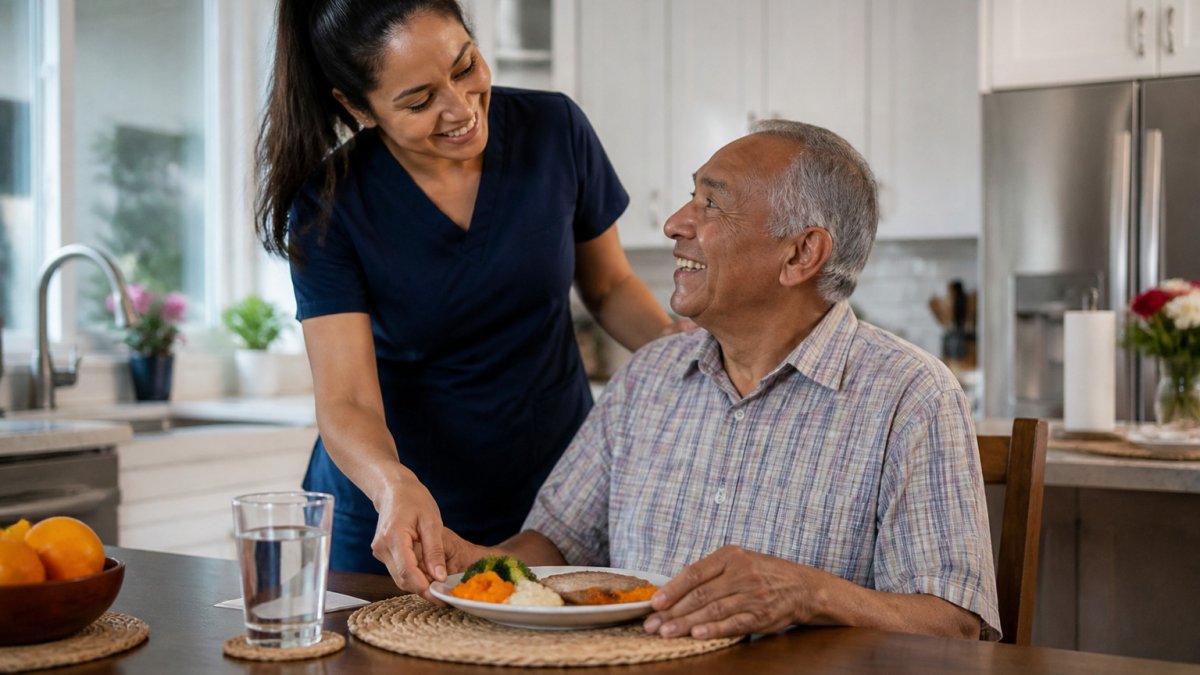
The benefits of in-home dementia care for seniors are significant:
-
Seniors stay in familiar, comfortable environments
-
Personalized attention from consistent caregivers
-
Family members can remain involved in daily care
Fijian Homecare provides specialized in-home dementia care and 24/7 support, with dedicated, consistent caregivers offering compassionate care.
Memory Care for Seniors with Dementia: Specialized Residential Settings
When in-home care becomes insufficient, memory care communities offer environments designed for seniors with dementia and Alzheimer’s disease, combining professional oversight with therapeutic programming and secured surroundings. But “memory care” covers a wide range of quality, so families who understand the operational differences make better choices.
How memory care differs from assisted living and skilled nursing
Memory care is a distinct service line, not a marketing term. Compared with standard assisted living, it typically provides:
- Secured perimeters and exit control to reduce wandering risk, often with alarmed doors and enclosed outdoor spaces.
- Higher staffing ratios, especially evenings and overnight when sundowning is most common.
- Dementia-specific staff training in communication, redirection, and behavioral support, ask how many hours are required and whether training repeats annually.
Skilled nursing facilities are built around medical care: 24-hour licensed nursing, rehabilitation, and complex medication management. A senior with advanced dementia and a feeding tube, frequent infections, or complex wound care may need skilled nursing even though its dementia programming is thinner.
Adult family homes are a smaller alternative: typically 6-8 residents with a consistent caregiving team. They can be excellent for moderate-stage dementia, but confirm the license type, overnight staffing, and what medical tasks the home may perform.
What drives the cost, and how families pay
Memory care is usually the most expensive residential option short of skilled nursing because it bundles housing, 24-hour supervision, meals, activities, and dementia programming into one monthly rate. Most communities charge a base rate plus tiered care levels. Ask each community to break down:
- Base monthly rate and exactly what it includes (housing, meals, laundry, transportation, activities).
- Care-level add-ons and the assessment process that triggers a rate increase.
- Community fee or entrance fee, and whether any portion is refundable.
Families typically combine payment sources:
- Private funds, savings, home sale proceeds, and long-term care insurance if it covers memory care. Confirm whether the policy requires prior hospitalization or a specific level of cognitive impairment.
- Public benefits, Medicaid coverage varies by state and setting; some states cover memory care through home- and community-based waivers. Veterans may qualify for VA aid and attendance. An elder-law attorney or state long-term care ombudsman can clarify what applies.
- Life insurance and annuities, some policies allow accelerated benefits for chronic or cognitive illness; check the contract.
Evaluating quality, not just amenities
Brochures are weak signals. Stronger evidence includes:
- Inspection and licensing records. Deficiency reports are public; ask for the most recent report and read the citations, not just the star rating.
- Staffing consistency. Ask about caregiver turnover and whether residents see the same core team daily. Consistency matters more in dementia care than almost any amenity.
- Care-plan review cadence. A quality community reassesses the care plan at defined intervals and after any change in condition, with family input.
The Alzheimer’s Association provides guidance on choosing a memory care community and the state long-term care ombudsman program can help families interpret inspection records and file concerns.
A secured memory care unit is not automatically a quality memory care unit. Security prevents wandering; it does not by itself deliver good dementia care. Ask about staffing ratios, training hours, and turnover before you tour the building.
Fijian Homecare provides specialized in-home dementia care with trained caregivers who understand the unique needs of seniors with memory loss, and can help families compare residential memory care options when home support is no longer enough. Our 24/7 support ensures your loved one receives consistent, compassionate care while remaining at home as long as it is safe.
Dementia Care Activities for Seniors: Engagement and Quality of Life
- Memory-based activities: Photo albums, familiar music, reminiscence therapy
- Sensory activities: Gardening, cooking, art projects, music therapy
- Physical activities: Walking, dancing, gentle exercise adapted to mobility level
Dementia Care at Home Safety Tips: Creating a Secure Environment
Essential dementia care at home safety tips include: Home healthcare services in Cloverdale can help implement these safety measures in your loved one’s home.
- Secure exits: Install locks on doors and windows to prevent wandering
- Reduce fall risks: Remove clutter, secure rugs, improve lighting, add grab bars
- Medication management: Use locked storage and pill organizers with clear labels
The Alzheimer’s Association provides comprehensive home safety guidance for families creating dementia-friendly spaces.
Choosing the Right Care Setting for Your Loved One
Selecting the best dementia care for seniors is a sequence of decisions to revisit as the disease progresses. Match current needs to the setting providing the right supervision, medical support, and dementia-specific programming, then plan for how that match will change.
A side-by-side comparison of the main settings
| Setting | Typical supervision | Dementia-specific staffing | Medical support | Best fit | Main trade-off |
|---|---|---|---|---|---|
| In-home care | Scheduled visits up to 24/7; family often fills gaps | Aides with dementia training vary by agency, ask for credentials | Medication reminders; no skilled nursing unless arranged | Early to moderate stage; senior can still be safe with supervision | Familiar surroundings, but home safety modifications and caregiver consistency are on the family to manage |
| Adult family home | 24-hour supervision in a home-like setting, typically 6-8 residents | Owner-operators and staff often provide hands-on dementia care | Varies; many are licensed for limited nursing tasks | Moderate stage; families who want a small, stable caregiving team | Intimate and consistent, but fewer activities and less medical capability than larger communities |
| Assisted living | 24-hour staff, but staffing ratios are usually lower than memory care | General senior care; dementia training varies widely | Medication management; no 24-hour skilled nursing | Early to moderate stage; seniors who are mobile and socially engaged | More social and recreational variety, but not always secured against wandering |
| Memory care | 24-hour staff in a secured environment | Staff typically receive dementia-specific training; ask about hours and turnover | Medication management and health monitoring | Moderate to late stage; wandering risk or behavioral symptoms | Purpose-built safety and programming, but higher cost and smaller living space |
| Skilled nursing facility | 24-hour licensed nursing | Dementia training varies; nursing care is the core service | Highest level of medical care, including 24-hour nursing | Late stage or complex medical needs alongside dementia | Medical capability is strongest, but the environment is less home-like and social programming may be limited |
A stage-based decision guide
- Early stage (mild): Memory lapses and mild confusion, but the senior can usually manage most daily tasks with reminders. In-home care a few hours a week, adult day programs, and home safety modifications are often enough. This is the stage to tour settings and get on waitlists before a crisis forces a rushed decision.
- Middle stage (moderate): Increased memory loss, behavioral changes, and difficulty with bathing, dressing, and medication. Wandering risk rises. In-home care may need to scale to 24/7, or the senior may move to memory care or an adult family home with secured exits and structured programming.
- Late stage (severe): Full-time assistance with all activities of daily living, plus swallowing, mobility, and infection risks. Skilled nursing or a memory care community with on-site nursing is usually appropriate; hospice services can be layered in when the senior is eligible.
Concrete questions to ask on a tour
A tour should be an interview, not a presentation. Ask every setting the same questions:
- Staffing: What is the caregiver-to-resident ratio on each shift, and how does it change at night and on weekends?
- Training: How many hours of dementia-specific training do staff receive, and what continuing education is required?
- Turnover: What percentage of direct-care staff left in the past year? High turnover undermines the consistency dementia care depends on.
Weighing the trade-offs
The practical approach is to rank the senior’s top three needs, safety from wandering, help with daily activities, and medical monitoring are the most common, and choose the setting that meets all three, then re-evaluate at each stage transition. The National Institute on Aging offers resources for evaluating care options. A geriatric care manager or hospital social worker can often shorten this process by translating a clinical assessment into a shortlist of settings.
Fijian Homecare offers specialized in-home dementia care.
Frequently Asked Questions
What is the best type of care for someone with dementia?
The best dementia care for seniors depends on the person’s needs and circumstances. A qualified healthcare professional can discuss care options with the family.
How do you choose a dementia care provider?
When evaluating providers, families can ask about dementia care, caregiver consistency, and how the provider communicates with families. Consider discussing your loved one’s needs with a qualified healthcare professional.
What activities are good for seniors with dementia?
Families may consider activities that reflect the person’s interests, such as music, gardening, or art. Discuss activity choices with a qualified healthcare professional if you have concerns about what is appropriate.
How can families keep a person with dementia safe at home?
Families concerned about home safety can discuss possible changes with a qualified healthcare professional. Fijian Homecare offers 24/7 support and specialized in-home dementia care.
The right dementia care for seniors balances professional expertise with family involvement and the senior’s preferences. Whether your loved one needs in-home support to age in place or a specialized residential setting, the goal remains the same: maintaining dignity, safety, and quality of life. Contact us to discuss your family’s unique situation and explore how Fijian Homecare can help simplify your caregiving journey with compassionate, culturally respectful support.
