
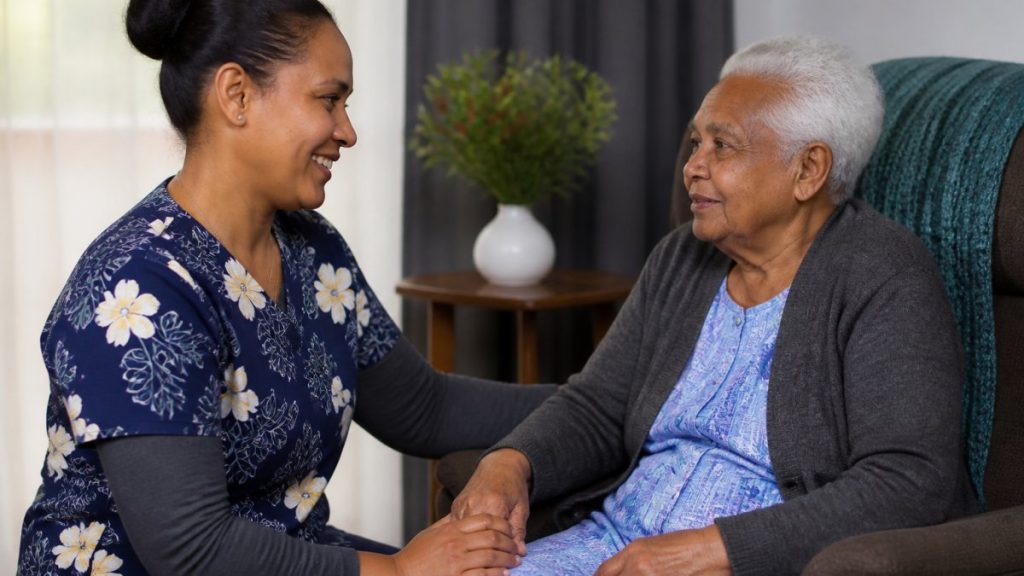
Last Updated: October 25, 2026
Quick Summary
To find a Fijian speaking caregiver for elderly parents, start with a written list of your parent’s daily needs, health conditions, and language preferences, then ask every candidate the same questions and verify references. Confirm legal residency, a valid driver’s license, and current background screening before you hire, and observe a five-minute conversation between the caregiver and your parent.
- Language proficiency is not the same as fluency under stress, and seniors with dementia often revert to their first language.
- Ask candidates to describe a time they calmed a confused elder in Fijian and listen for specifics.
- A caregiver who understands Fijian food preferences, church routines, and respect for elders builds trust faster.
- Dementia care at home requires a caregiver trained in redirection and patience, not just general home health experience.
- Veterans may qualify for home care benefits through the VA, so check eligibility with the official source.
Table of Contents
- How to Find a Fijian Speaking Caregiver for Elderly Parents
- Caregiver Interview Questions to Ask for Language and Cultural Fit
- In-Home Care for Seniors: Assessing Needs and Matching a Caregiver
- Frequently Asked Questions
How to Find a Fijian Speaking Caregiver for Elderly Parents
Finding a Fijian speaking caregiver for elderly parents starts with knowing what language and cultural fit your family needs, then verifying it before you hire. At Fijian Homecare, we match California families with caregivers who speak their language and understand their way of life.
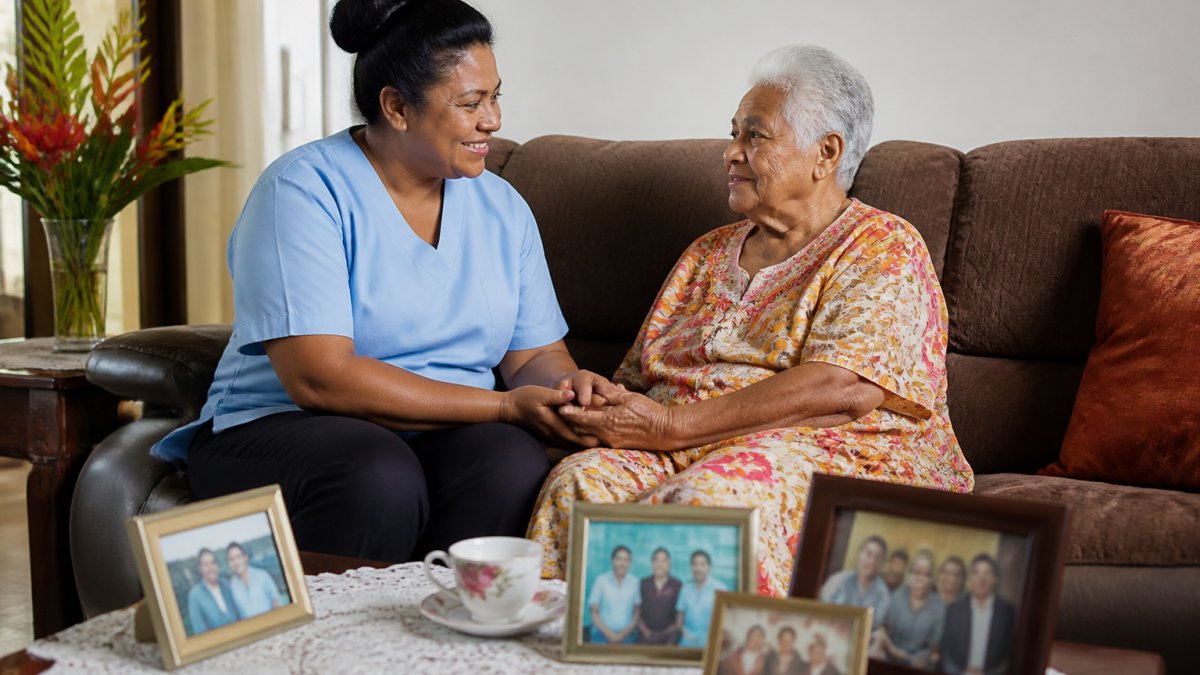
Start with a written list of your parent’s daily needs, health conditions, and language preferences. Ask every candidate the same questions, check references, and confirm legal residency, a valid driver’s license, and current background screening. Ready to move forward? Review in-home care in Cloverdale or contact our team about language matching.
Caregiver Interview Questions to Ask for Language and Cultural Fit
Language proficiency is not the same as fluency under stress, and many seniors with dementia revert to their first language. Ask candidates to describe a time they calmed a confused elder in Fijian, and listen for specifics. Cultural familiarity matters too: a caregiver who understands Fijian food preferences, church routines, and respect for elders builds trust faster. Read what caregivers wish families knew about helping seniors at home before interviews.
- Have them hold a five-minute conversation with your parent while you observe
- Request two references from families with similar cultural backgrounds
- Ask what they would do if your parent refused care
In-Home Care for Seniors: Assessing Needs and Matching a Caregiver
A proper needs assessment covers daily living assistance, mobility, medication management, companionship, and safety at home. Write down what your parent can still do independently and where they need hands-on help. This record becomes the basis for matching, whether you need part-time visits, 24/7 support, or a live-in caregiver for seniors.
Dementia care at home requires a caregiver trained in redirection and patience, not just general home health experience. Veterans may qualify for home care benefits through the VA, so check eligibility with the official source (Homemaker and Home Health Aide Care). Read what’s missing in your care plan or browse our services to see how assessed needs map to care options.
| Care Need | What to Document | Matching Priority |
|---|---|---|
| Language | Primary language spoken at home | Native or fluent Fijian speaker |
| Dementia | Triggers, routines, calming methods | Specialized dementia training |
| Daily living | Bathing, meals, medication reminders | Hands-on assistance experience |
Frequently Asked Questions
What should I ask when interviewing a Fijian-speaking caregiver?
Ask how they would handle a moment when your parent seems confused or upset, and listen for a calm, respectful answer. Ask them to describe a time they helped someone with bathing or meals, and how they keep family updated. To check language, switch into Fijian mid-conversation and see if the exchange feels natural. Ask about their experience with dementia or recovery care, their driver’s license and reliable transportation, and whether they are comfortable with your family’s routines and food.
How can a caregiver who speaks Fijian support an older adult?
Shared language lowers frustration during daily assistance like bathing, dressing, and meals, especially when an older adult is tired or confused. A Fijian-speaking caregiver can also keep family updated in the language everyone uses at home, which reduces misunderstandings about medications or appointments. Cultural familiarity helps with food, prayer, and household routines. For seniors with aging-related needs, that comfort can make personal care feel less intrusive and more dignified.
How do I find a caregiver who speaks my older relative’s language?
Start by writing down the language and cultural needs, the hours of care, and any dementia care at home requirements. Then ask local agencies, community health worker groups, and faith or community organizations for referrals. When you interview, verify language proficiency in a real conversation rather than relying on a resume line. Confirm background checks, legal residency, and a driver’s license if transportation is needed. Ask about service area.
Every family reaches a point where love alone cannot cover the gaps. When that moment comes, Fijian Homecare provides 24/7 support, live-in care, and specialized dementia care delivered by consistent, culturally respectful caregivers. Get started with Fijian Homecare and give your parents care that feels like family.
